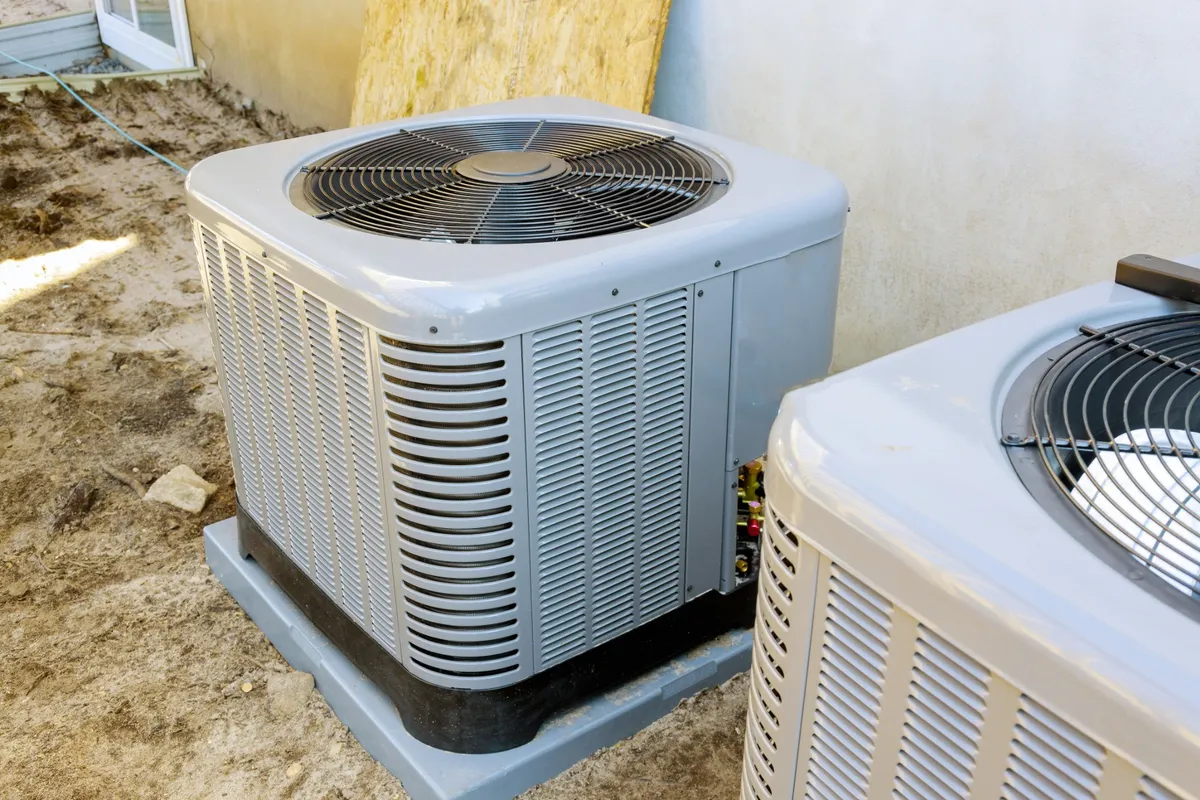
Air Conditioner Repair or Replacement in Kitchener
Compare repair, maintenance and replacement for an existing AC in Kitchener. Use the confirmed fault, equipment condition and work included in each proposal to frame the decision.
How can you tell whether weak cooling comes from airflow, a refrigerant fault, or an electrical problem?
Weak cooling, warm air, a frozen coil, unusual noise, or a unit that will not start can arise from different faults in central air, ductless equipment, or a heat pump operating in cooling mode. Diagnosis should compare airflow and operating conditions with the equipment’s model and service history before deciding what work is needed. Refrigerant measurements and electrical checks can distinguish a leak or component fault from an airflow problem. If there is a burning smell or grinding noise, stop operating the unit and arrange an assessment.
Assessment considers the system type, temperature and airflow observations, coil condition, operating pressures, and electrical component readings. Comparing those findings helps distinguish a refrigerant leak from a restricted air path or failed component. Service records and any recurring symptoms also matter, since a one-time fault and repeated breakdowns may lead to different repair or replacement decisions.
Central air, ductless mini-splits, and heat pumps operating in cooling mode.
Weak cooling, frozen coils, airflow, refrigerant leaks, and electrical components.
Repair, manufacturer-guided maintenance, and replacement decisions.
Assessment and Scope
Questions for the Proposed Work
01
Separate airflow problems from cooling faults
Warm air or uneven cooling does not by itself identify a failed air conditioner. The assessment should consider airflow, coil condition, and whether the indoor and outdoor sections are operating as intended. A frozen coil can accompany restricted airflow or a refrigerant-circuit problem, so the cause needs to be established before restarting or recommending a repair. Central ducted systems and ductless units also require different observations of how air reaches the rooms.
02
Check refrigerant and electrical components
A refrigerant leak can reduce cooling before the system stops altogether, but adding refrigerant without locating the cause does not resolve a leak. Refrigerant pressures, leak evidence, and relevant electrical readings help identify whether the problem involves the sealed circuit, a capacitor, or another component. Refrigerant handling and internal electrical work require qualified service. A burning smell or grinding noise is a reason to stop operation pending assessment.
03
Compare a repair with replacement
A repair recommendation should reflect the confirmed fault, equipment condition, and history of prior work rather than age alone. A single failed electrical component is a different decision from a recurring refrigerant leak or major compressor fault in an aging unit. Manufacturer maintenance instructions and inspection findings guide upkeep of coils, airflow, and controls. If faults recur or major components are affected, comparing repair scope with replacement becomes relevant.
Compare the next step
Use the same cooling complaint and equipment information when requesting a second proposal. Ask why the scopes differ and whether either assumes additional work after diagnosis. A repair, a matched-system replacement, and a distribution improvement solve different problems and should not be compared as interchangeable equipment prices.
Do not open electrical panels or handle refrigerant. If ice, water near electrical equipment, or abnormal operation is present, stop using the affected system and request an assessment.