Compare repair, maintenance and replacement for an existing furnace in Kitchener. Use the confirmed fault, equipment condition and work included in each proposal to frame the decision.
What should be checked when a furnace runs continuously but provides weak heat?
A furnace that runs constantly but delivers weak heat may have restricted airflow, a control fault, duct leakage, or another cause that cannot be confirmed from the symptom alone. Repair assessment should distinguish natural gas, propane, and oil equipment because fuel delivery and combustion components differ. A no-start condition, unusual sound, uneven heating, or repeated cycling also calls for diagnosis before parts are selected. Findings help determine whether a targeted repair is appropriate or whether the furnace’s condition warrants considering replacement.
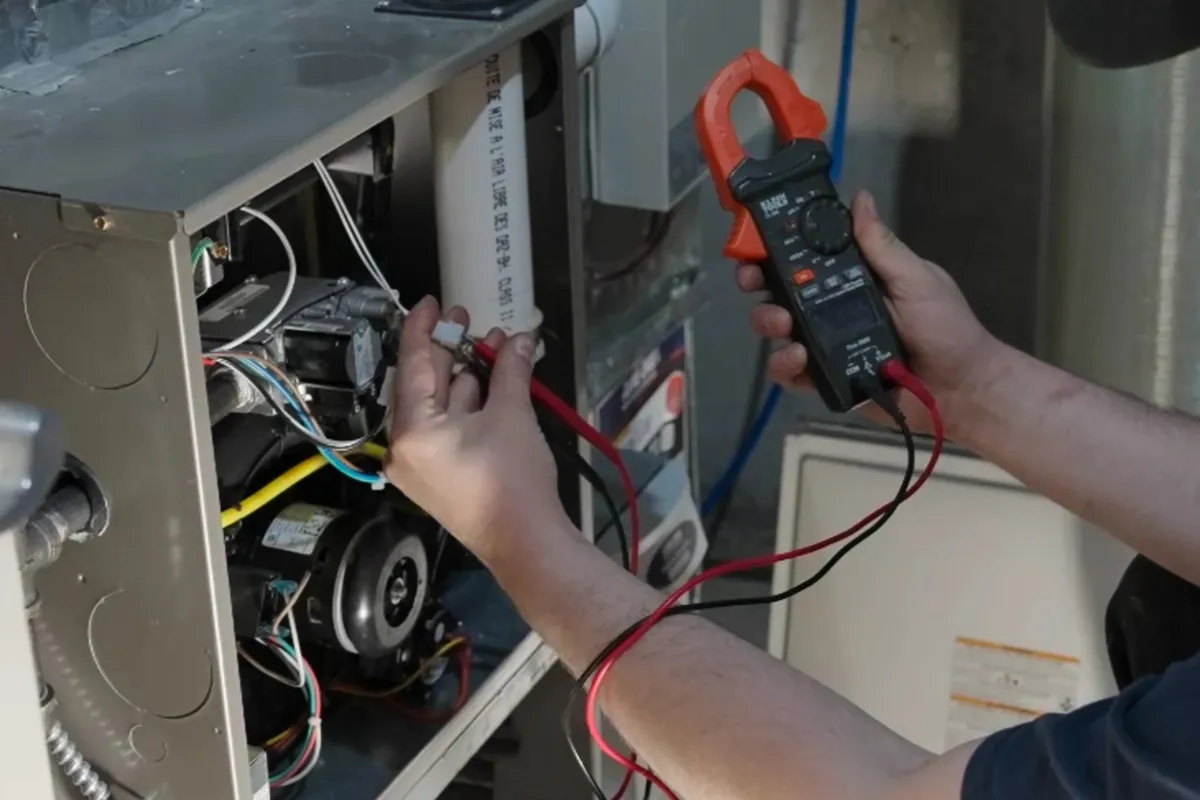
Diagnosis compares the thermostat’s call for heat with the furnace’s operating sequence, airflow, filter condition, burner or ignition behaviour, and distribution through the ducts. That helps separate a furnace fault from restricted airflow or duct leakage. Fuel type and model records matter because parts and combustion checks differ between gas, propane, and oil equipment.
Gas, propane, and oil furnace faults, including ignition and burner problems.
Maintenance checks and repair-versus-replacement assessment.
Assessment and Scope
Questions for the Proposed Work
01
Trace weak heat and airflow problems
Constant running with weak heat can result from a restricted filter, an airflow problem, duct leakage, or a failing limit control. Inspection should establish whether air is moving properly and whether the furnace is reaching and maintaining its intended heating cycle. These observations help avoid treating a thermostat symptom as a burner fault, or replacing a component before checking the air distribution that affects the whole system.
02
Identify the fault for the furnace’s fuel type
A furnace that will not start may have an ignition or control fault, while unusual noises can point to a blower or other mechanical problem. The diagnostic path differs for natural gas, propane, and oil equipment, so the model and fuel source inform which components require inspection. If there are signs of unsafe operation, stop using the furnace and request qualified assessment rather than attempting work on fuel or combustion parts.
03
Use findings to weigh repair and upkeep
A repair decision depends on the identified fault, the furnace’s condition, and whether related parts are also deteriorating. A localized sensor or ignition issue is different from a failing blower or repeated problems across the system. Maintenance checks may include airflow, filters, burners, thermostat operation, and key components, guided by inspection findings and manufacturer instructions. Those results can inform whether repair remains sensible or replacement deserves consideration.
Compare the next step
Ask both bidders to refer to the same fault findings and intended outcome. Separate necessary repair, optional maintenance, and replacement design in the comparison. Check who supplies parts, what labour and follow-up are covered, and whether changes to controls, airflow, or venting are included in either price.
Leave burner, fuel, venting, electrical, and internal equipment work to a qualified contractor. Do not bypass a safety switch or repeatedly reset a furnace.