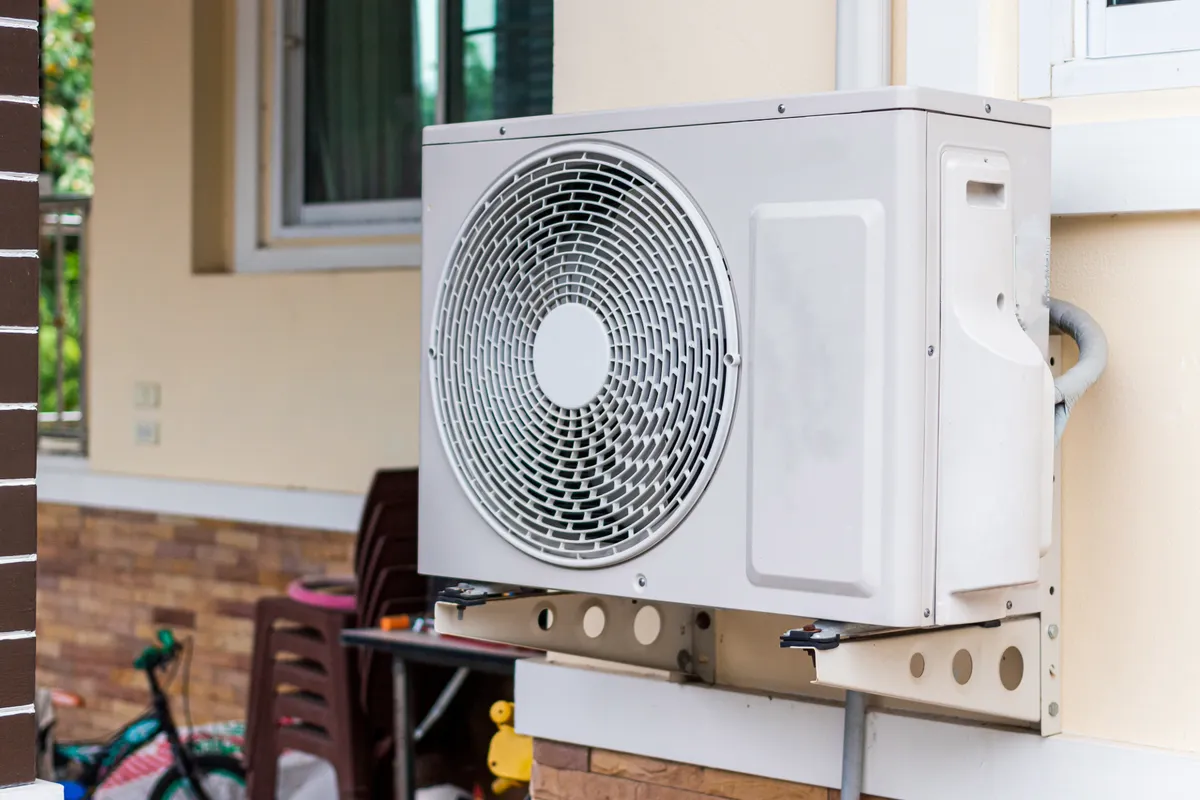
Request heat pump repair & installation for a property in Kitchener. Include the equipment, the problem or planned work, and your location so the request can be reviewed.
What information helps distinguish a heat pump repair from a need to plan a replacement?
A heat pump may need repair, replacement assessment, or installation planning depending on its operating symptoms and the property’s existing system. Air-to-air, cold-climate, and ductless models differ in configuration and controls, so equipment type matters when investigating weak heating, uneven cooling, noise, or defrost behaviour. For an installation, the assessment also needs to consider heating and cooling requirements, existing ductwork where applicable, electrical capacity, and the selected equipment’s operating range. Repair and replacement are separate decisions based on findings.
Assessment considers the system type, operating history, heating and cooling symptoms, defrost behaviour, airflow, and relevant refrigerant or electrical findings. For replacement planning, existing ductwork where present, electrical capacity, and the property’s heating and cooling requirements affect equipment selection. These comparisons help separate a repairable component fault from repeated or major problems that warrant evaluating a different system.
Air-to-air, cold-climate, and ductless heat pump configurations.
Heating, cooling, airflow, defrost, refrigerant, and electrical faults.
Installation planning, service history, and repair-versus-replacement assessment.
Assessment and Scope
Questions for the Proposed Work
01
Diagnose the system type and operating fault
Air-to-air, cold-climate, and ductless heat pumps have different layouts and controls, so the model and configuration guide diagnosis. Weak heating, uneven cooling, or unusual noise should be compared with system operation, airflow, and defrost behaviour rather than treated as one generic fault. Refrigerant-circuit and electrical findings may also be relevant. This information helps define whether the next step is a targeted repair or a broader equipment assessment.
02
Plan installation around the existing system
Heat pump selection should be based on the property’s heating and cooling requirements and the intended equipment configuration. Where ducts exist, their condition and suitability matter; for a ductless system, the rooms and indoor-unit locations need consideration. Electrical capacity and the chosen model’s operating range also affect installation scope. Comparing these factors before selecting equipment helps identify whether additional work is needed for a compatible system design.
03
Decide when repair or replacement is appropriate
The number and seriousness of previous faults are useful context, but repeated repairs do not automatically establish that replacement is the right choice. Compare the confirmed fault, the condition of other components, and the system’s service history. A localized issue may support repair, while recurring failures or a major component problem can prompt a replacement assessment. Manufacturer instructions and inspection findings, rather than a fixed maintenance routine, guide ongoing service.
Compare the next step
Require each proposal to state the building loads and the heating-duty strategy it assumes. Ask how the selected equipment output compares with those loads and what backup operation is expected. Compare electrical, duct, control, commissioning, and maintenance requirements as part of the system rather than separate headline specifications.
Cold-climate capability does not prove that one model covers every home heating load. Ask how the selected equipment and supplementary heat meet the actual design requirements.